Optimal Timing for Concrete Installations
Spring and fall generally provide the most favorable weather conditions, reducing risks associated with extreme heat or cold.
Concrete should not be poured during freezing temperatures or when temperatures exceed 85°F, as it can compromise curing and strength.
Rain and high humidity can delay setting times and affect the finish quality, making dry, clear days preferable.
Planning installations during mild weather windows ensures better results and reduces the need for additional curing measures.
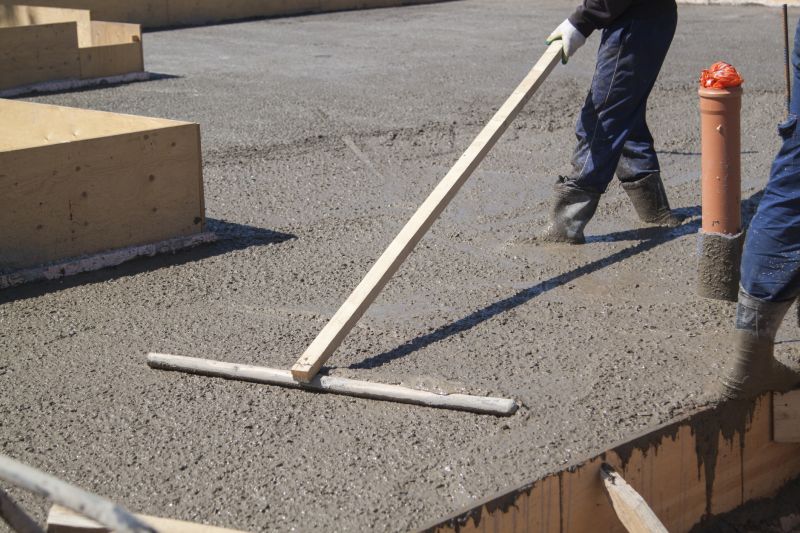
Ways to make Concrete Installations work in tight or awkward layouts.
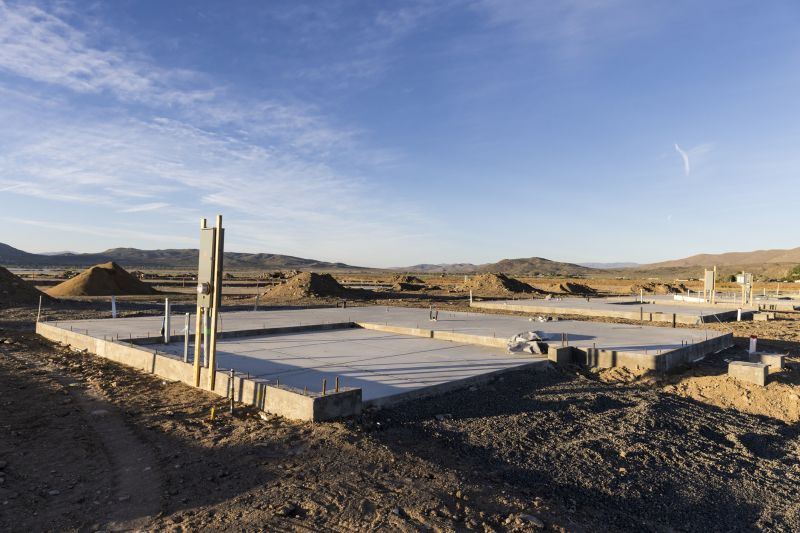
Popular materials for Concrete Installations and why they hold up over time.
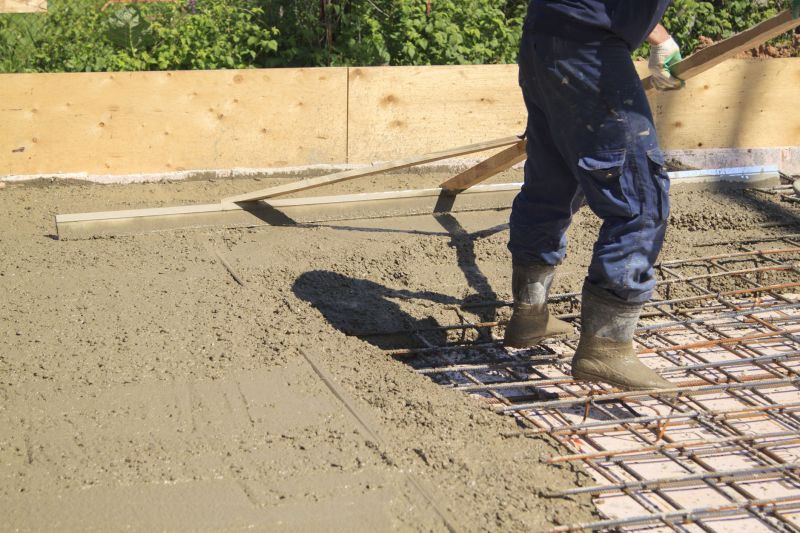
Simple add-ons that improve Concrete Installations without blowing the budget.
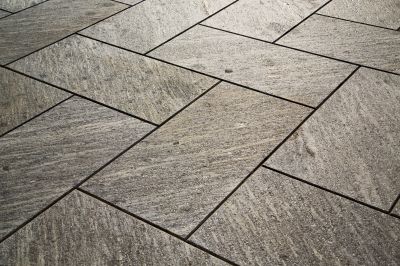
High-end options that actually feel worth it for Concrete Installations.
| Season | Ideal Conditions |
|---|---|
| Spring | Moderate temperatures, low rain |
| Summer | Early morning or late evening pour, avoid peak heat |
| Fall | Cool, dry weather with stable temperatures |
| Winter | Not recommended in freezing conditions |
| Late Spring | Optimal for curing and strength development |
Concrete installations require careful planning to coincide with suitable weather conditions. Proper timing ensures the concrete cures correctly, achieving maximum strength and durability. In regions like Fairfield, CA, the temperate climate allows for flexible scheduling most of the year, but avoiding extreme weather remains essential for quality results.
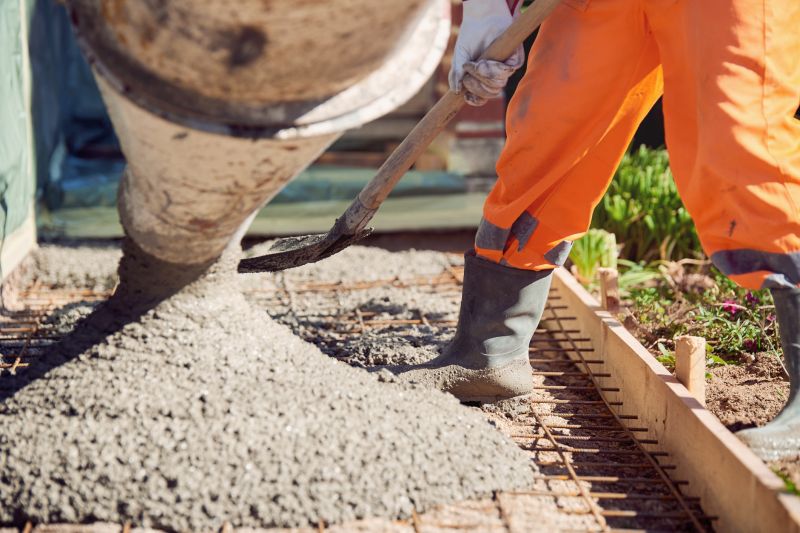
Finishes and colors that play nicely with Concrete Installations.
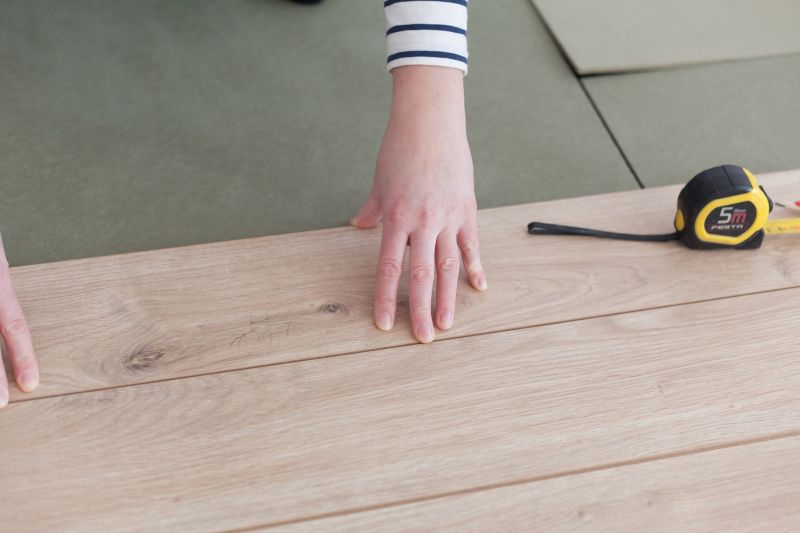
Little measurements that prevent headaches on Concrete Installations day.
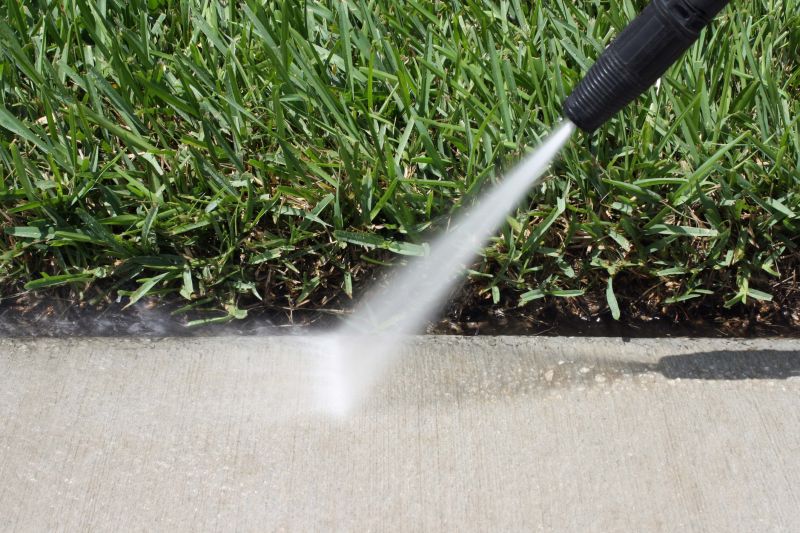
A 60-second routine that keeps Concrete Installations looking new.
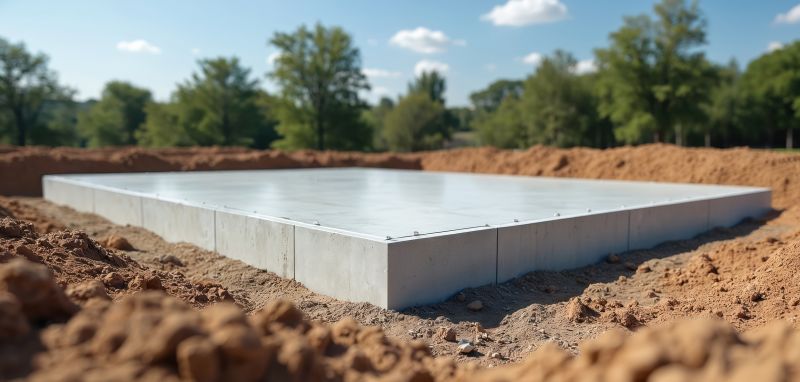
A frequent mistake in Concrete Installations and how to dodge it.
Timing concrete installations appropriately enhances the quality and longevity of the finished surface. Proper weather conditions facilitate better curing, reduce cracking risks, and improve finish quality, making it a critical aspect of project planning.